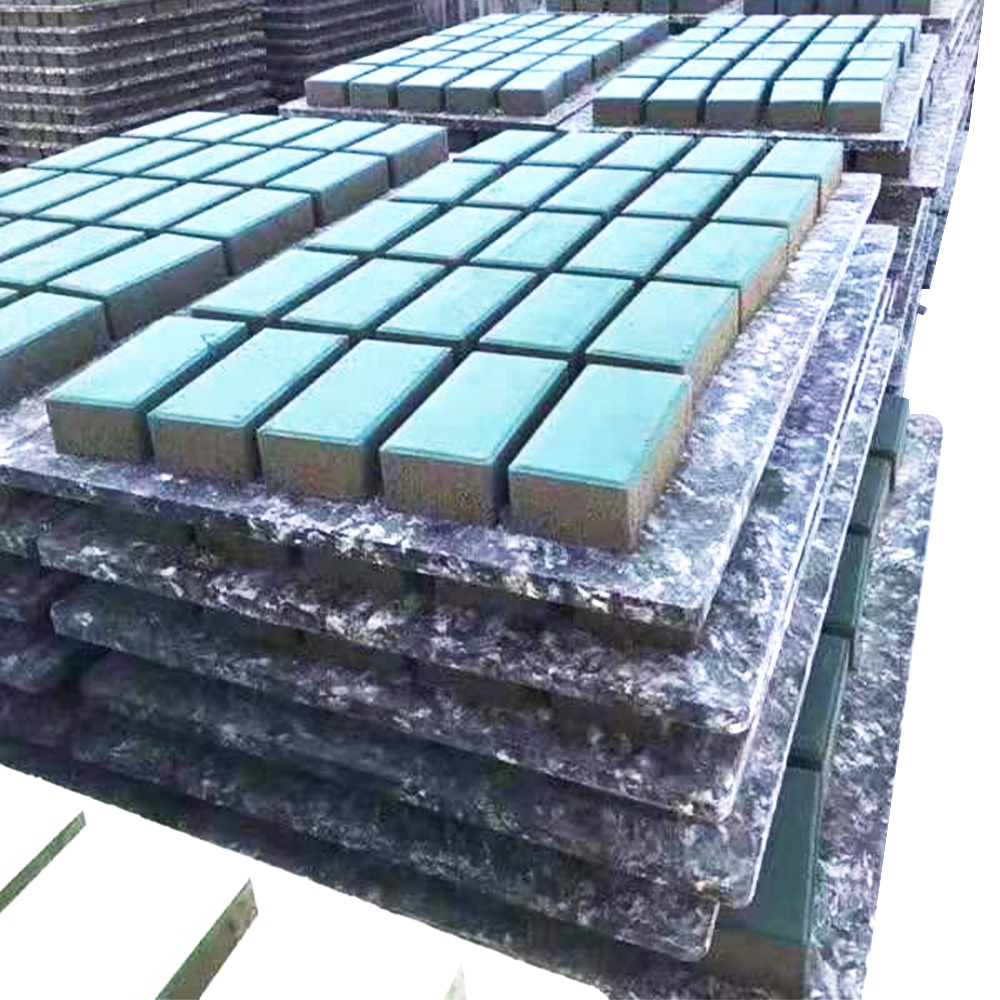
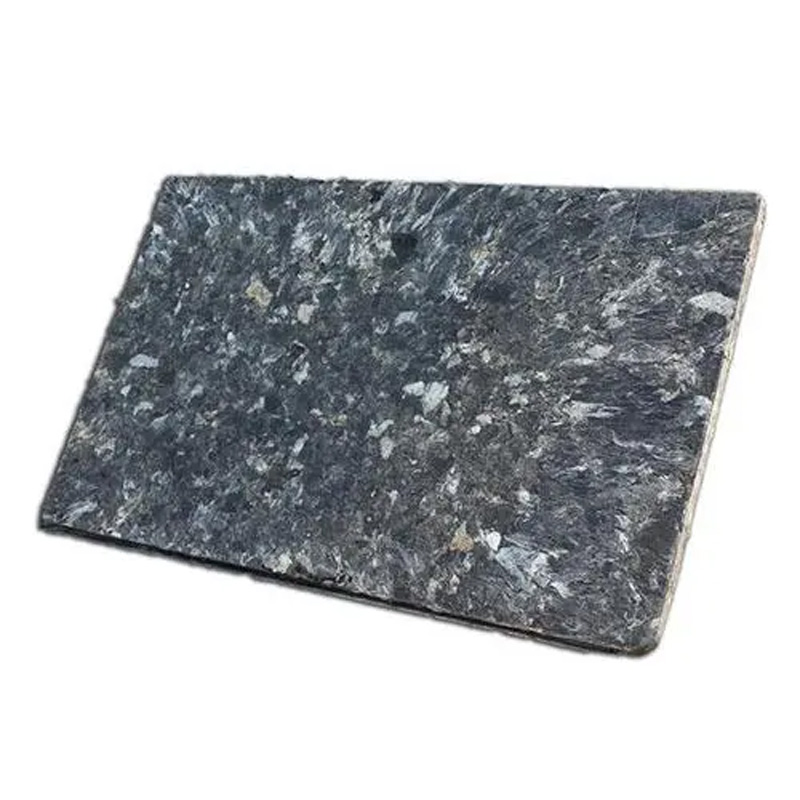
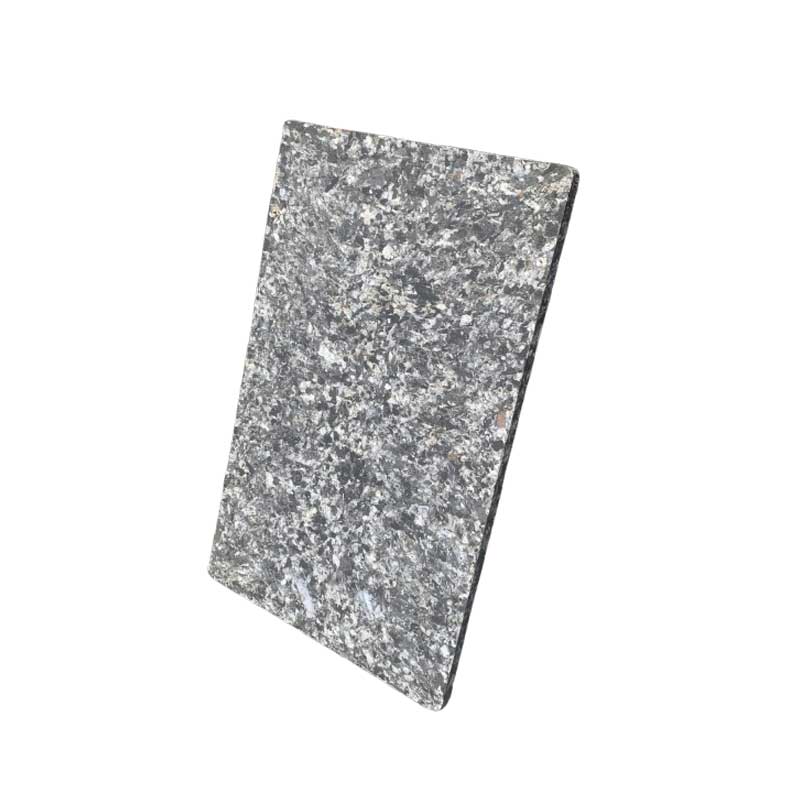
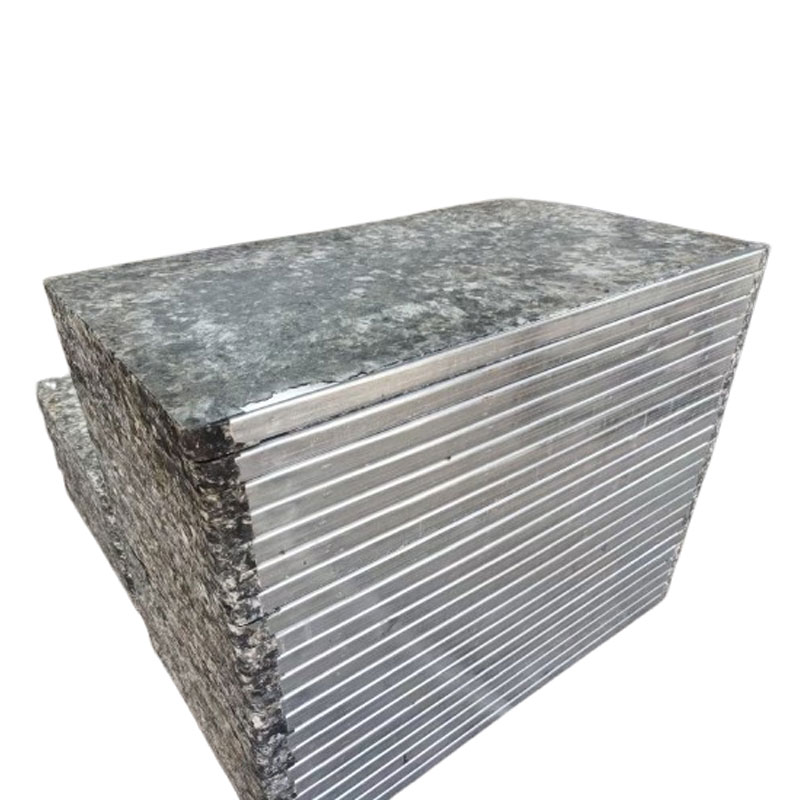
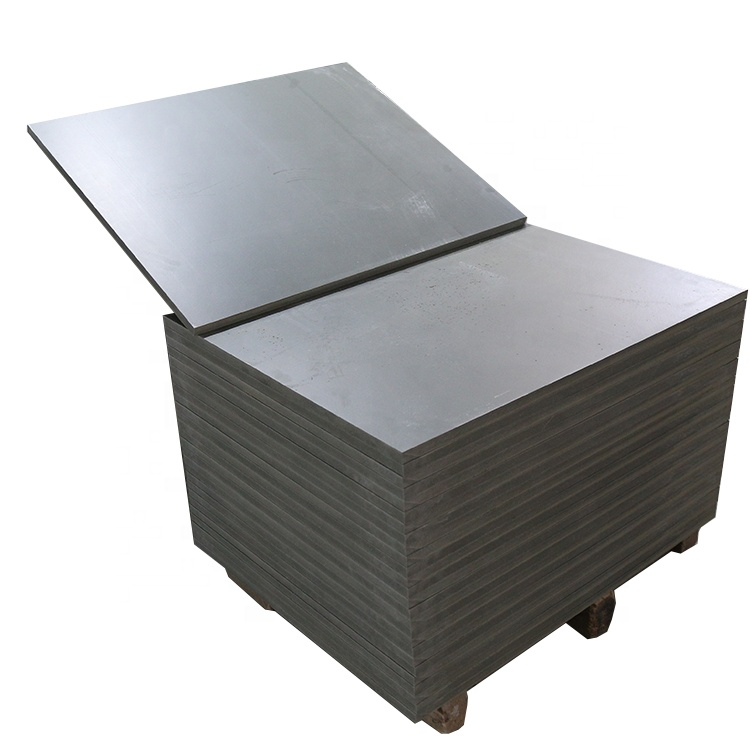

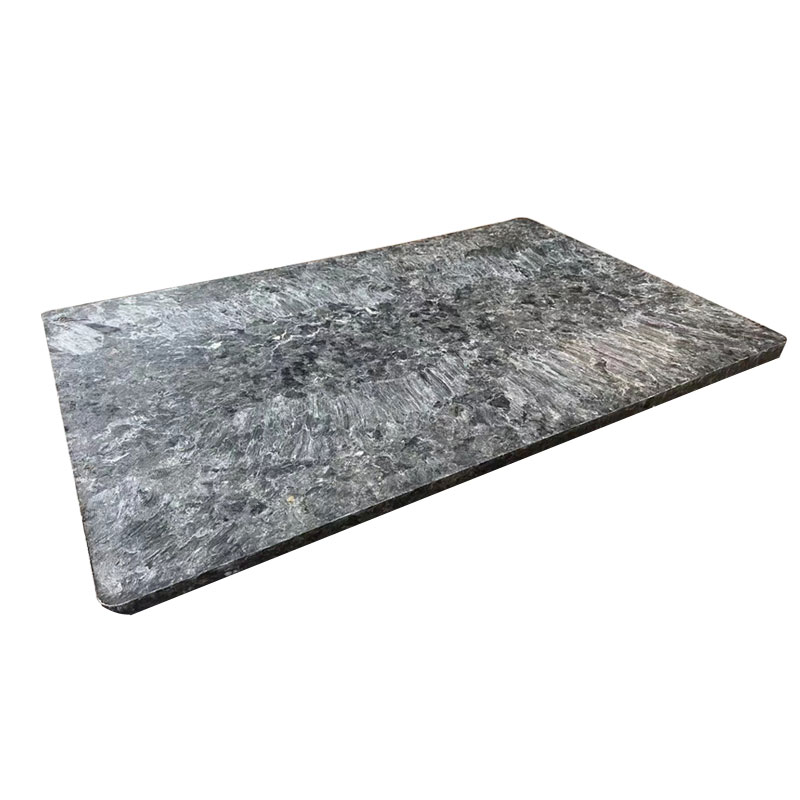
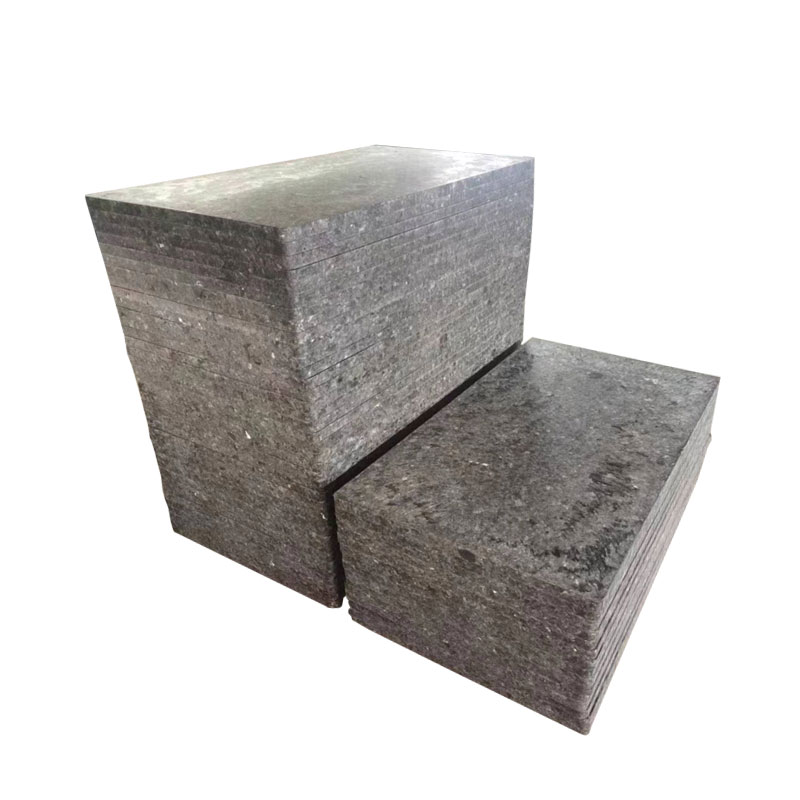
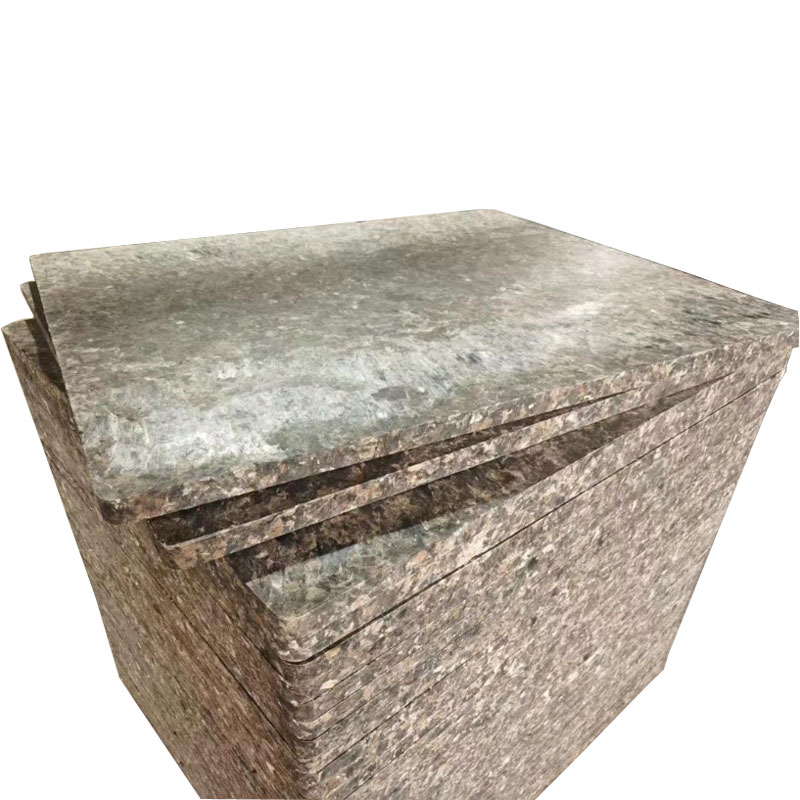
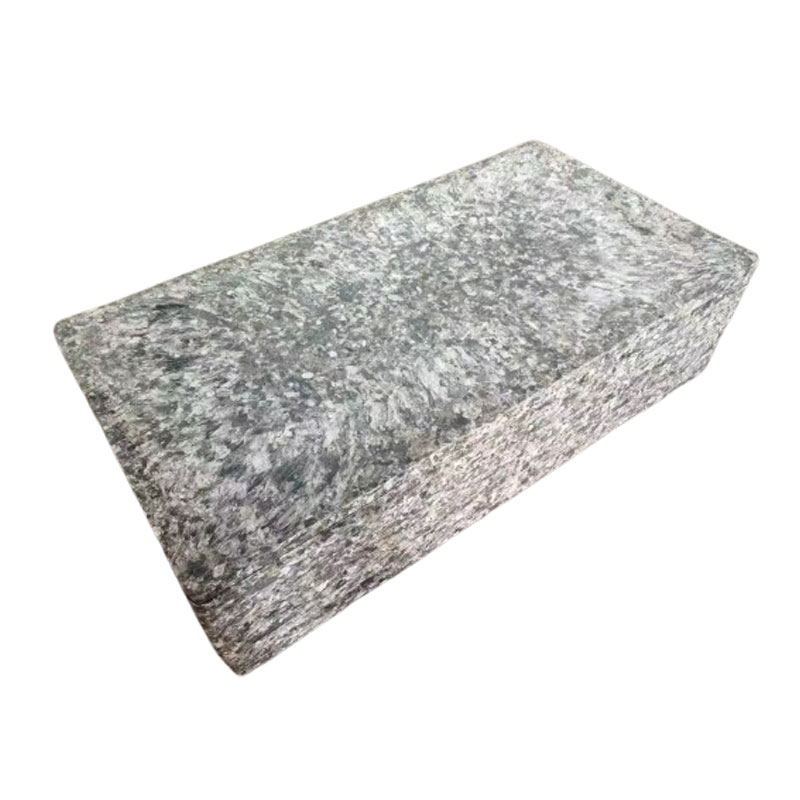
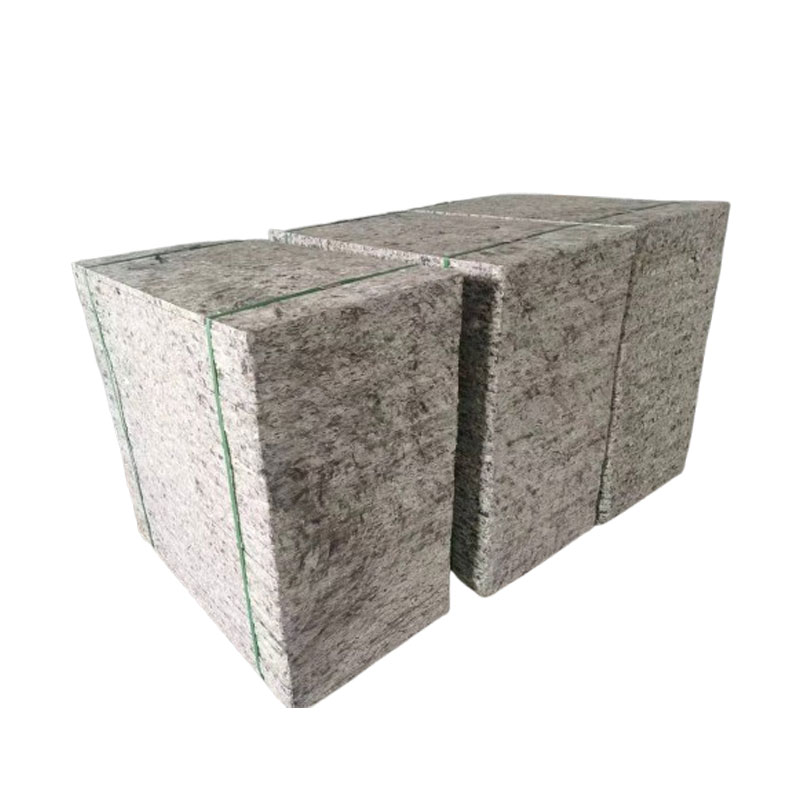
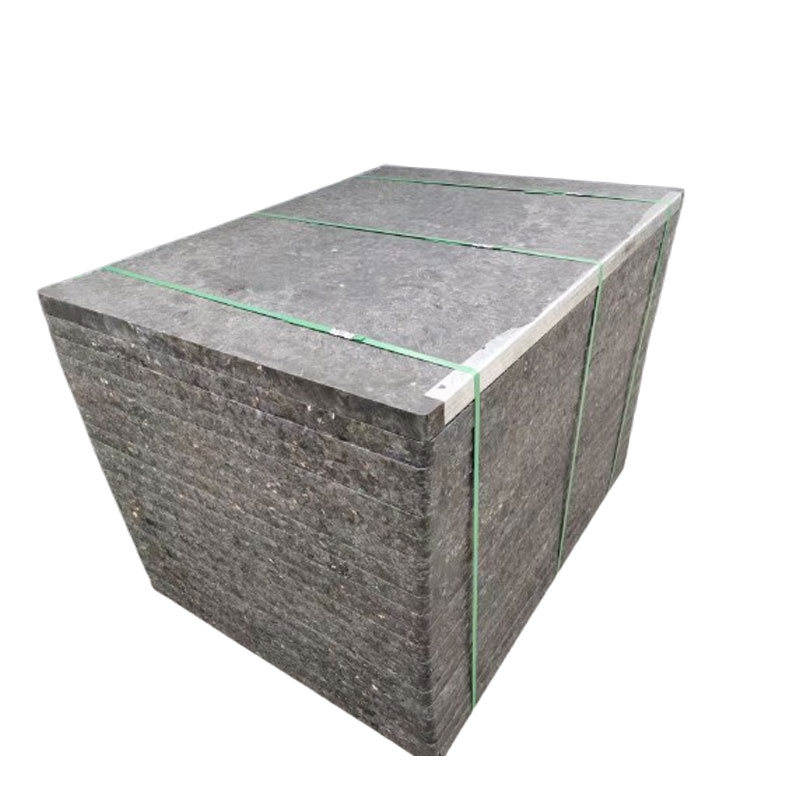
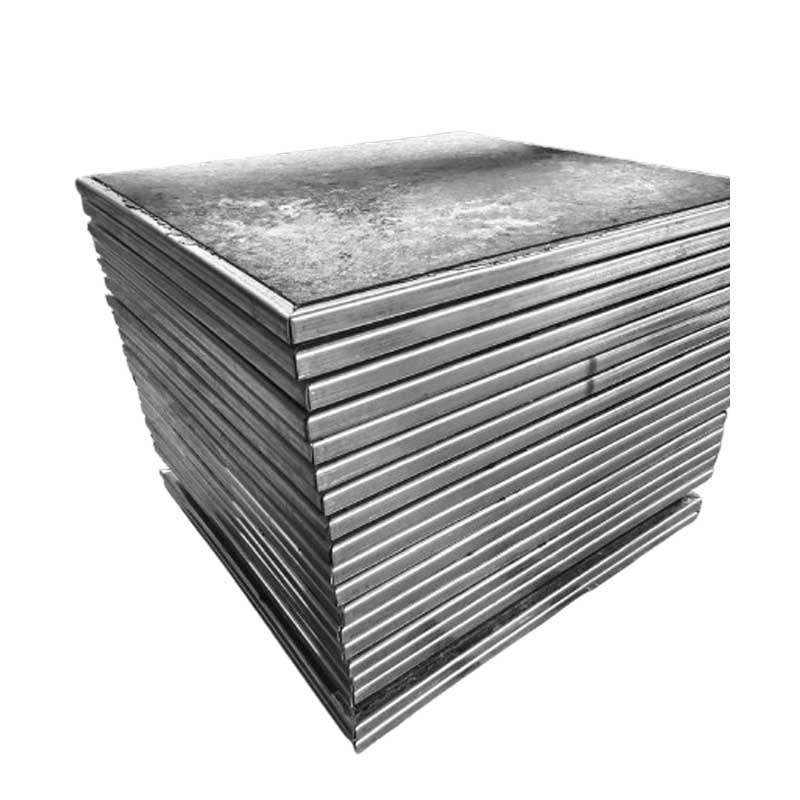
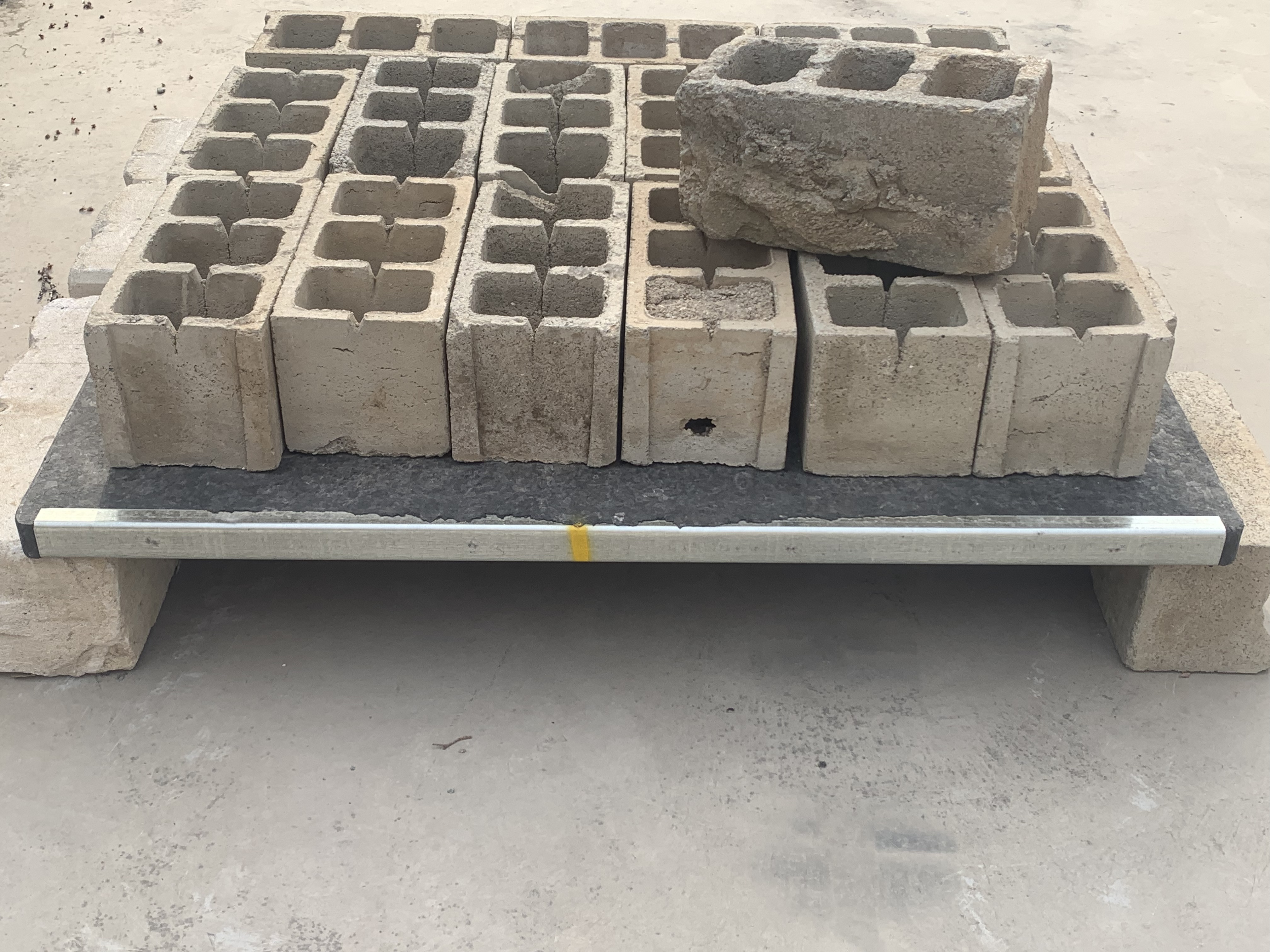
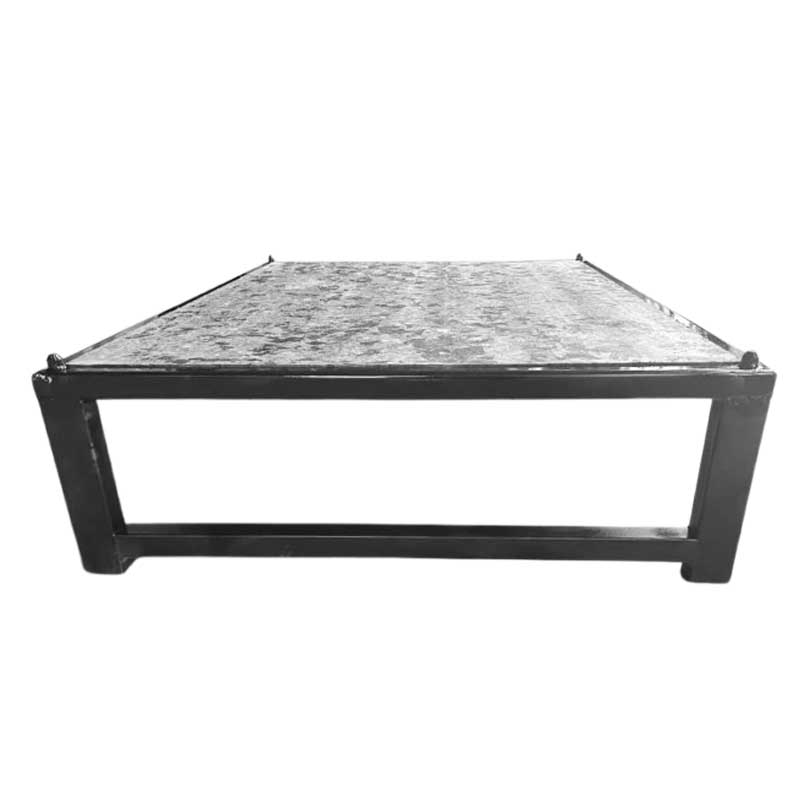
In the concrete block manufacturing industry, pallets are essential components of block production lines. A high-quality pallet ensures stable production, improves brick quality, and reduces maintenance costs.
Among the various pallet materials available in the market, GMT pallet and wood pallet are two widely used options for block machines. Each type has its own advantages and limitations depending on production scale, operating conditions, and investment budget.
This article provides a detailed comparison between GMT pallet and wood pallet for block machines, helping manufacturers choose the most suitable solution for their brick production.
Material Structure Comparison
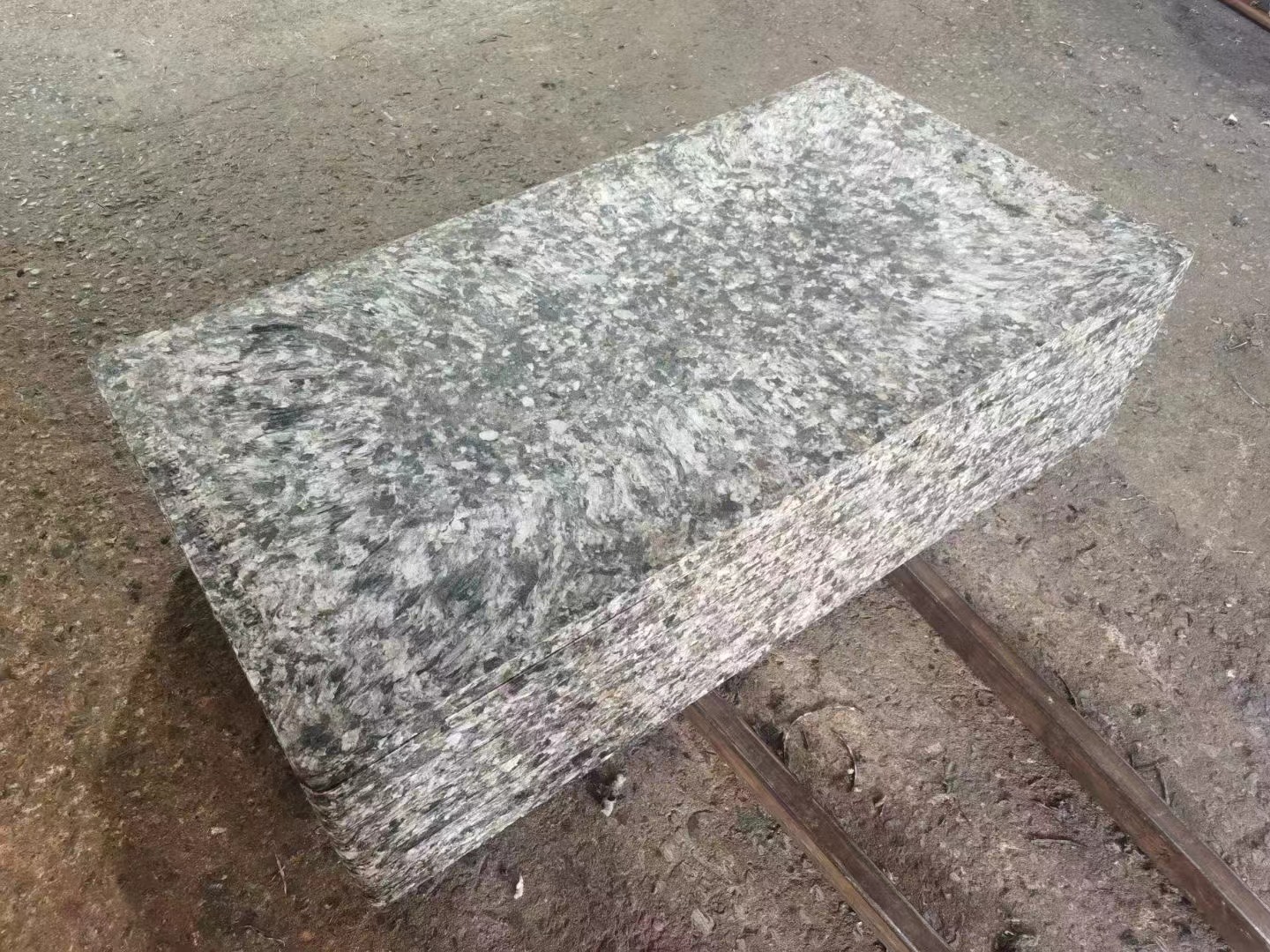
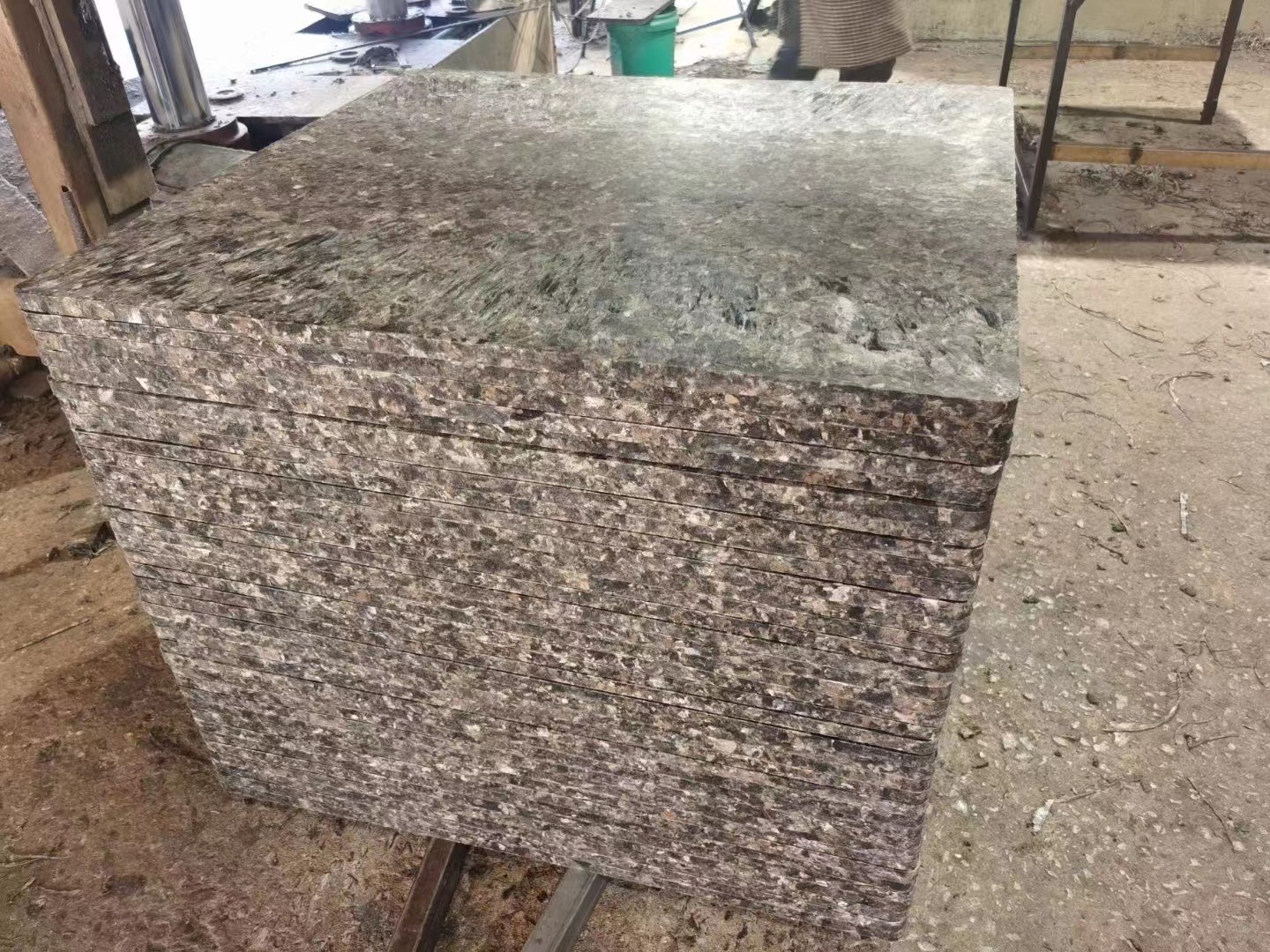
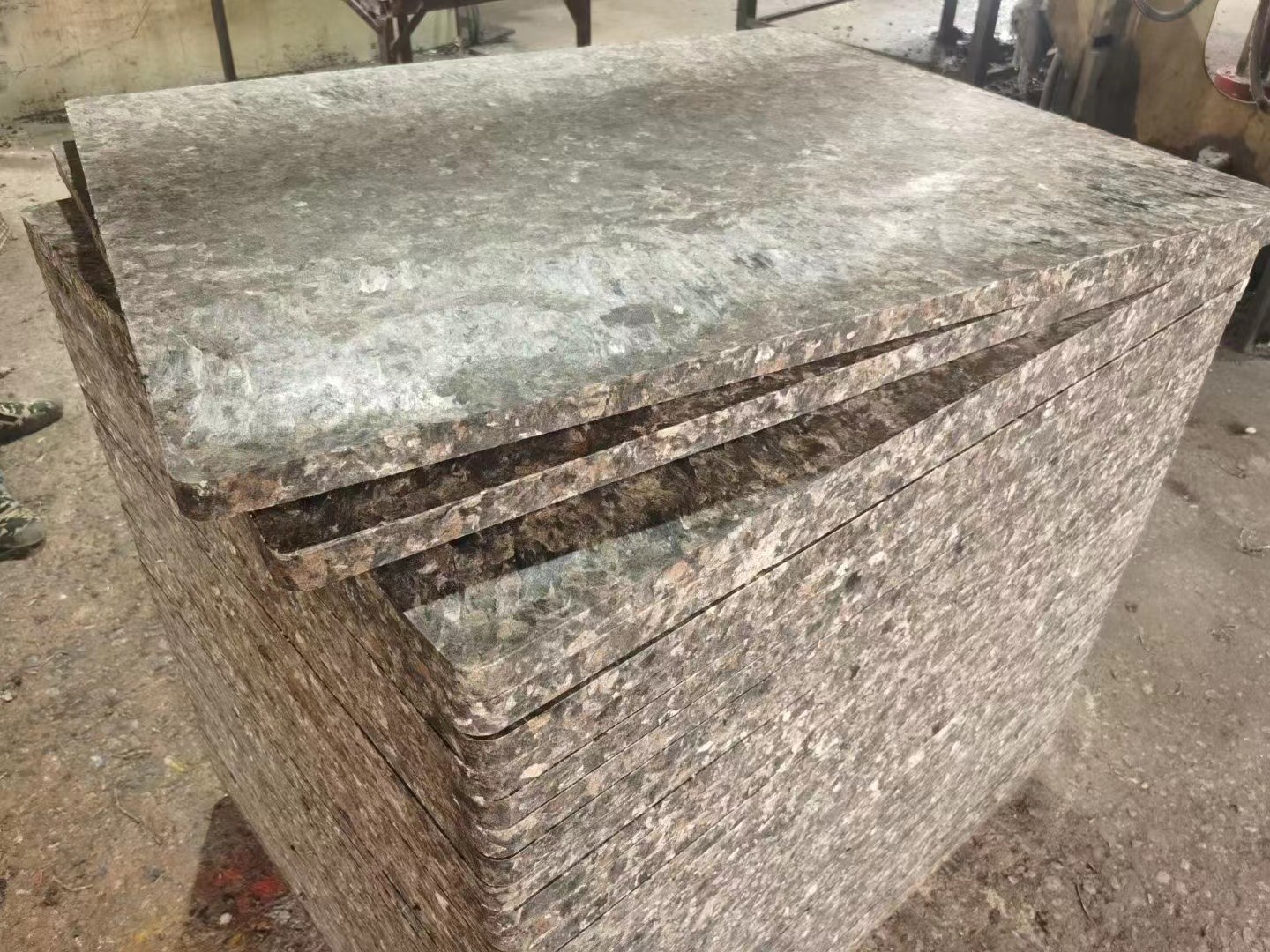
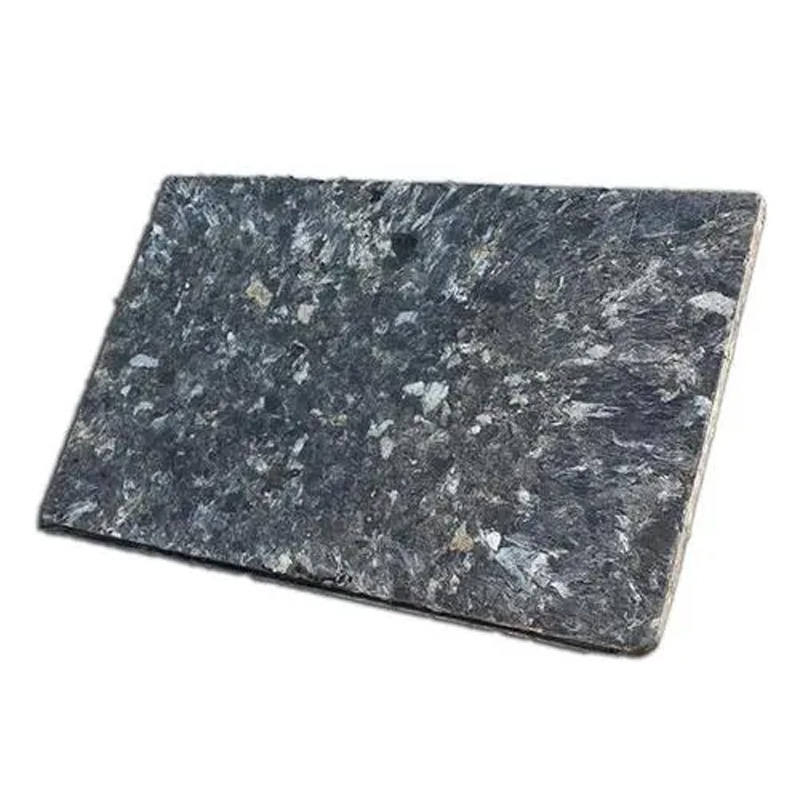
The main difference between GMT pallet and wood pallet lies in their material composition.
| Material | Glass Mat Reinforced Thermoplastic | Hardwood or composite wood |
| Structure | Fiber reinforced composite | Natural wood structure |
| Water resistance | Excellent | Limited |
| Deformation resistance | Strong | Moderate |
Service Life Comparison
Service life is one of the most important factors when choosing a pallet for block machines.
| GMT Pallet | Around 6 years |
| Wood Pallet | 1 – 3 years |
Due to its reinforced composite structure, a GMT pallet for block machines typically lasts around 6 years under normal operating conditions.
In comparison, wood pallets usually last between 1 and 3 years, depending on humidity, vibration levels, and production intensity.
Production Stability
Production stability directly affects brick quality and machine performance.
| Performance Factor | GMT Pallet | Wood Pallet |
|---|---|---|
| Resistance to vibration | High | Medium |
| Dimensional stability | Excellent | May deform over time |
| Moisture resistance | Excellent | Absorbs moisture |
| Long-term flatness | Stable | May warp |
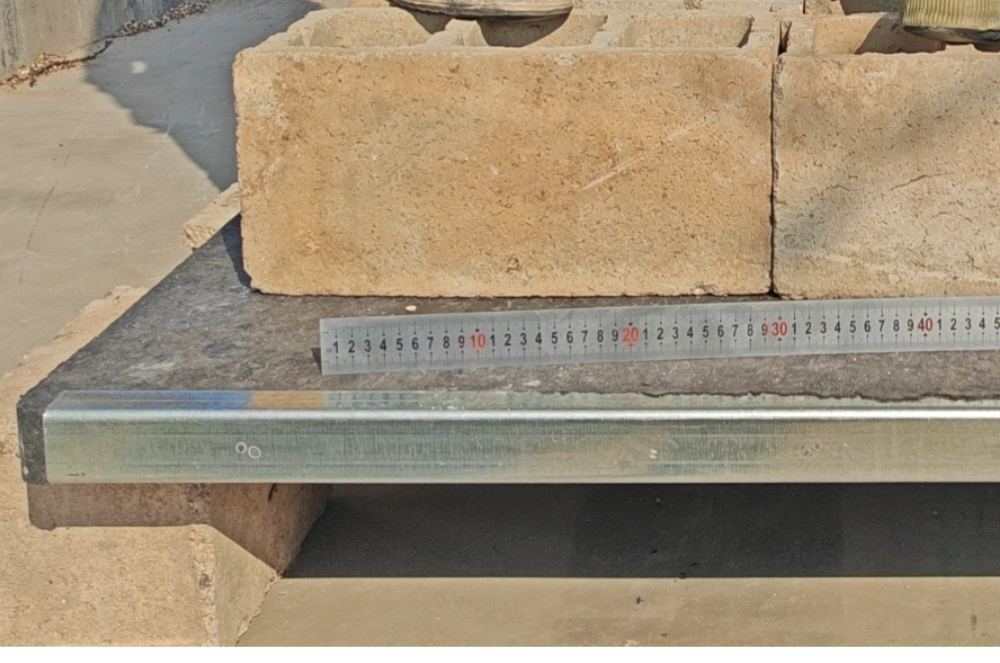
Because block machines operate under strong vibration, pallets must maintain structural integrity. GMT pallets perform better in long-term production environments due to their high impact resistance and stable structure.
Wood pallets may gradually warp or crack after extended use.
Cost Comparison
Initial investment and long-term operating cost should both be considered.
| Cost Factor | GMT Pallet | Wood Pallet |
|---|---|---|
| Initial cost | Medium | Low |
| Replacement frequency | Low | High |
| Maintenance cost | Low | Higher |
Although wood pallets have a lower initial cost, they require more frequent replacement.
GMT pallets have a higher upfront investment, but their longer lifespan and lower maintenance requirements often result in better long-term cost efficiency.
Application Scenarios
Different production environments may require different pallet types.
| Production Scenario | Recommended Pallet |
|---|---|
| Small-scale production | Wood pallet |
| Semi-automatic block line | GMT pallet |
| Fully automatic block machine | GMT pallet |
| Long-term industrial production | GMT pallet |
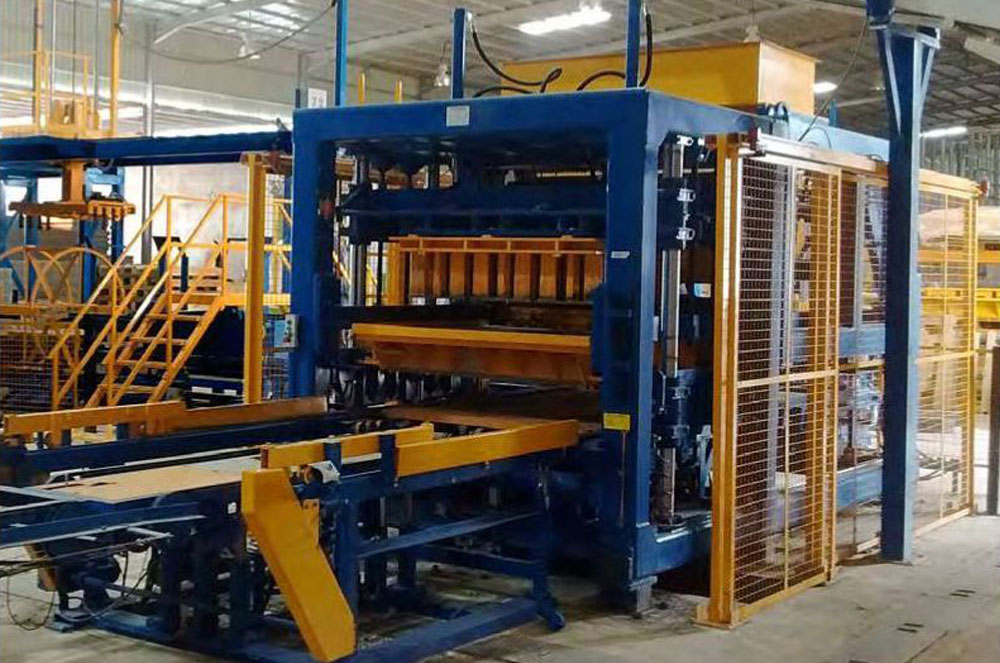
For modern block production lines, especially automatic block machines, GMT pallets are becoming increasingly popular due to their durability and stable performance.
Conclusion
Both GMT pallet and wood pallet for block machines have their own advantages depending on production needs.
Wood pallets are suitable for small-scale or low-budget operations.
GMT pallets provide longer service life, better stability, and improved long-term efficiency.
With an average lifespan of around 6 years, GMT pallets are widely considered a reliable solution for modern block production.
Manufacturers should select the pallet type based on production scale, machine type, and long-term operational planning.